
Two Jetties, One Snorkeling Cove: The Free Shoreline Snorkeling at St. Andrews Most Beachgoers Miss
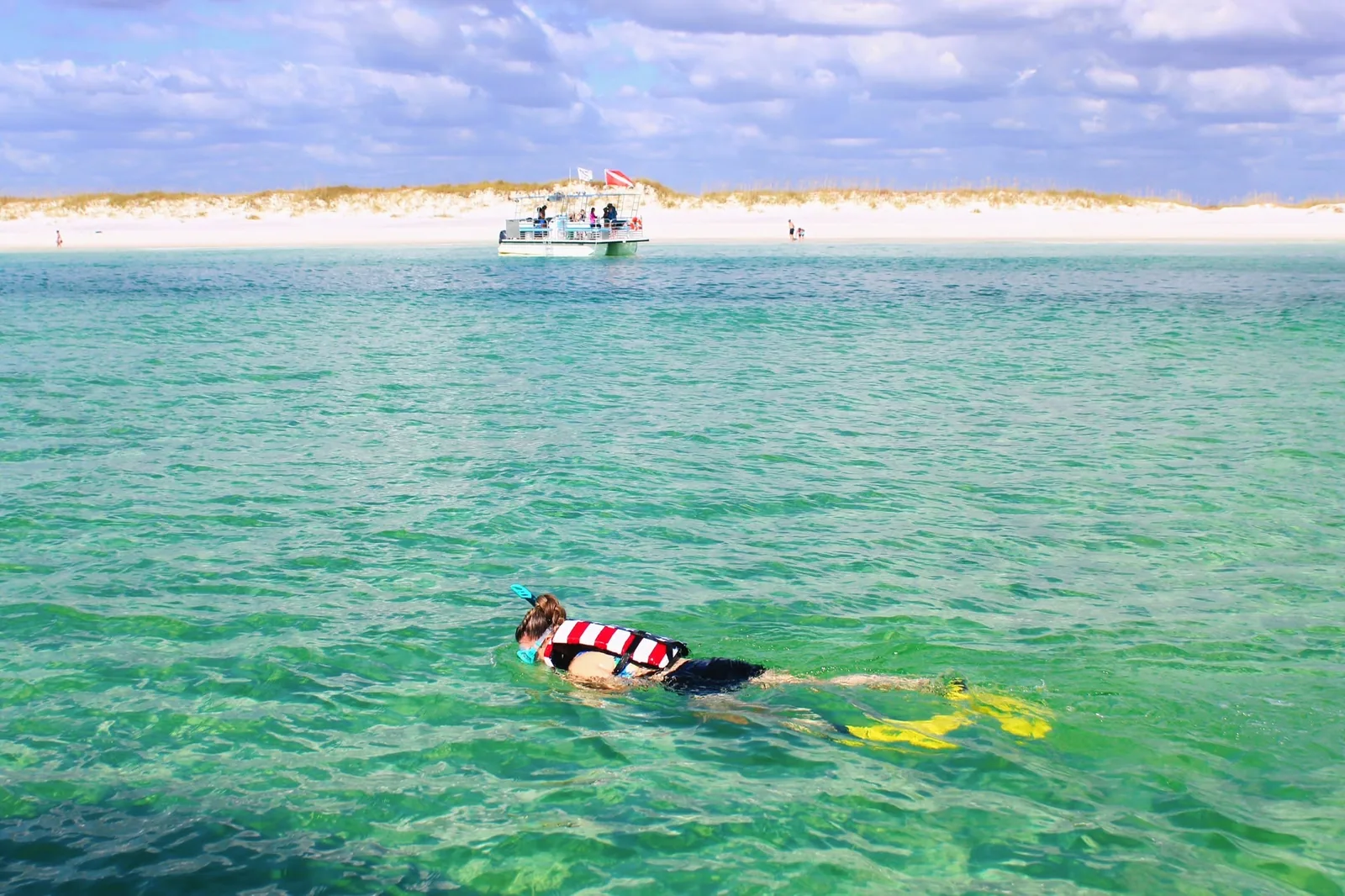
When people think about Panama City Beach, they usually picture long stretches of white sand, beachfront condos, dolphin tours, and boat trips to Shell Island.
Few realize that one of the area’s best snorkeling spots doesn’t require a boat ticket at all.
Hidden inside St. Andrews State Park is a sheltered cove formed by two rock jetties, creating calm, clear water and an underwater environment filled with fish, marine life, and surprising visibility.
For visitors looking for snorkeling in Panama City Beach, this shoreline-accessible spot offers one of the easiest and most affordable ways to explore the Gulf without booking a charter or excursion.
The best part?
Once you’ve paid park admission, access to the snorkeling area is included.
The Best Snorkeling Spot in PCB Doesn’t Require a Boat
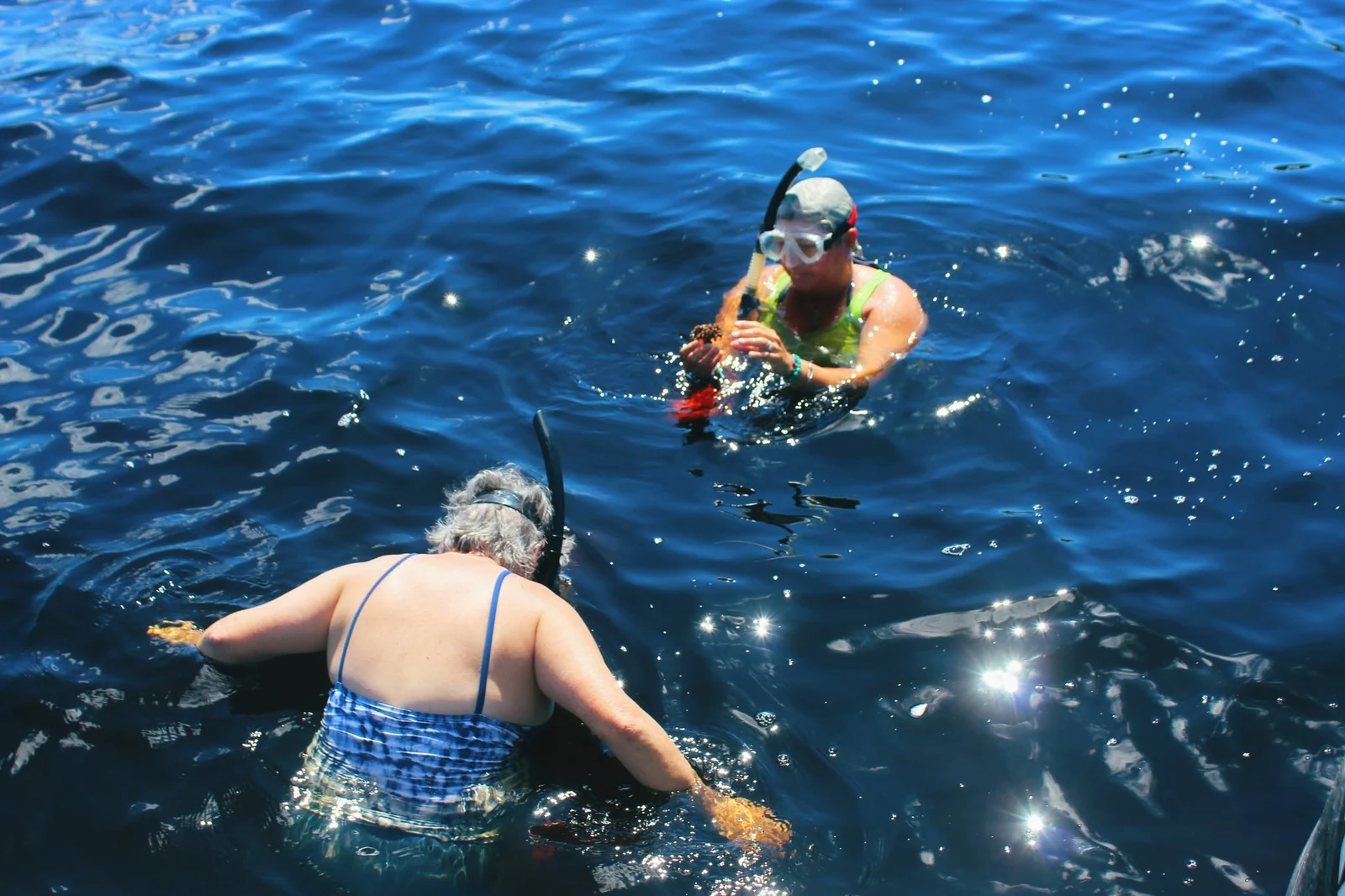
Many Florida snorkeling destinations require a boat ride.
Visitors often spend hundreds of dollars on tours just to reach reefs or offshore sites.
The jetties at St. Andrews State Park are different.
Located where the Gulf of Mexico meets Grand Lagoon, the massive rock formations create a naturally protected swimming and snorkeling area. The rocks help reduce wave action, making the water calmer than many nearby beaches.
For travelers searching for the famous St. Andrews State Park jetties, the appeal is simple: easy access, shallow entry points, and a surprising amount of marine life just a few feet from shore.
Unlike open Gulf beaches where visibility can vary significantly, the protected cove often provides excellent conditions for beginner snorkelers and families.
You don’t need boating experience.
You don’t need a guide.
You simply walk in from the beach.
What You’ll Actually See Underwater
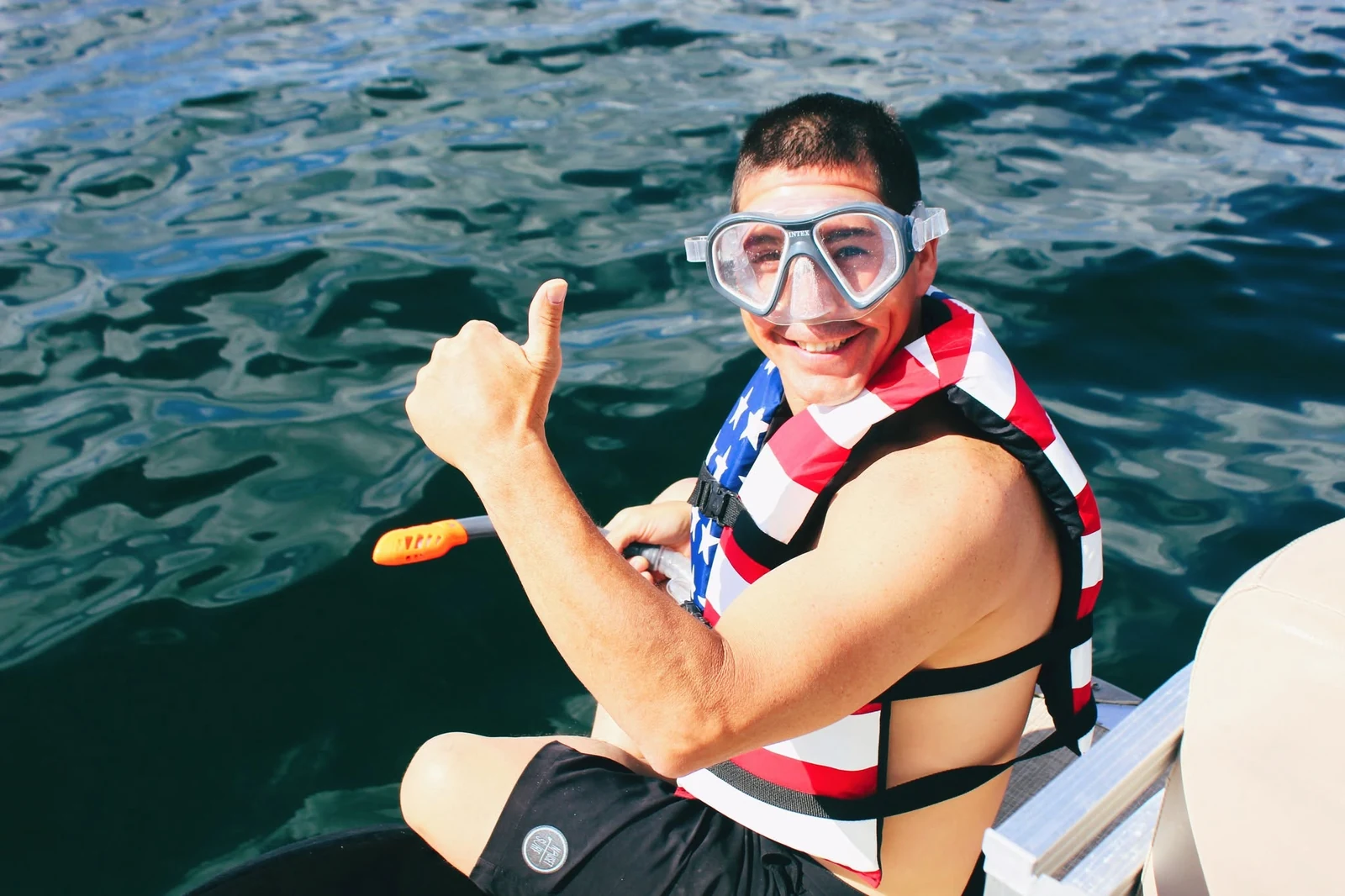
Schools of baitfish move through the water constantly, attracting larger species that patrol the area.
Common sightings often include:
- Sergeant majors
- Bluegill-type reef fish
- Sheepshead
- Pinfish
- Parrotfish
- Triggerfish
- Crabs
- Rays
On especially clear days, snorkelers may spot dozens of species within a single outing.
The rocks themselves become underwater ecosystems covered with marine growth that attracts fish throughout the year.
The experience feels surprisingly different from typical beach swimming.
Instead of simply floating in open water, you’re actively exploring.
And for visitors planning to continue their adventure, Shell Island sits just offshore, providing another reason to extend the day after snorkeling.
Gear Rentals and What Else to Do Nearby
One reason the jetties appeal to so many visitors is convenience.
You don’t have to arrive fully equipped.
Guests can typically find snorkeling gear, beach supplies, and other essentials within the park’s retail locations.
For travelers interested in free snorkeling in the Florida Panhandle, this makes the experience especially accessible.
A family can spend the morning snorkeling and then enjoy the rest of the park without ever moving their vehicle.
Popular follow-up activities include:
- Visiting Shell Island
- Dolphin cruises
- Beach relaxation
- Fishing from the pier
- Nature walks
- Glamping experiences
- Wildlife viewing
Instead of planning an entire vacation around snorkeling, the jetties fit naturally into a broader park experience.
That’s part of what makes them such a hidden gem.
How to Time the Tide and Avoid the Crowds
Like any natural attraction, timing matters.
Summer afternoons tend to bring the largest crowds, especially during weekends and holiday periods.
Visitors who arrive early often enjoy the best conditions.
Morning snorkeling typically offers:
- Fewer people
- Calmer water
- Better visibility
- Cooler temperatures
- Easier parking
Late afternoons can also be excellent, particularly when day visitors begin leaving the park.
Water clarity is another factor.
Many experienced snorkelers prefer periods around low tide when water movement slows and visibility often improves.
Weather plays an important role as well.
Strong winds, rough surf, or storms can reduce visibility significantly.
Checking conditions before arrival is always recommended.
Visitors wondering where to snorkel without a boat in Panama City Beach will often find that choosing the right time of day matters almost as much as choosing the location itself.
Why the Jetties Remain a Local Favorite
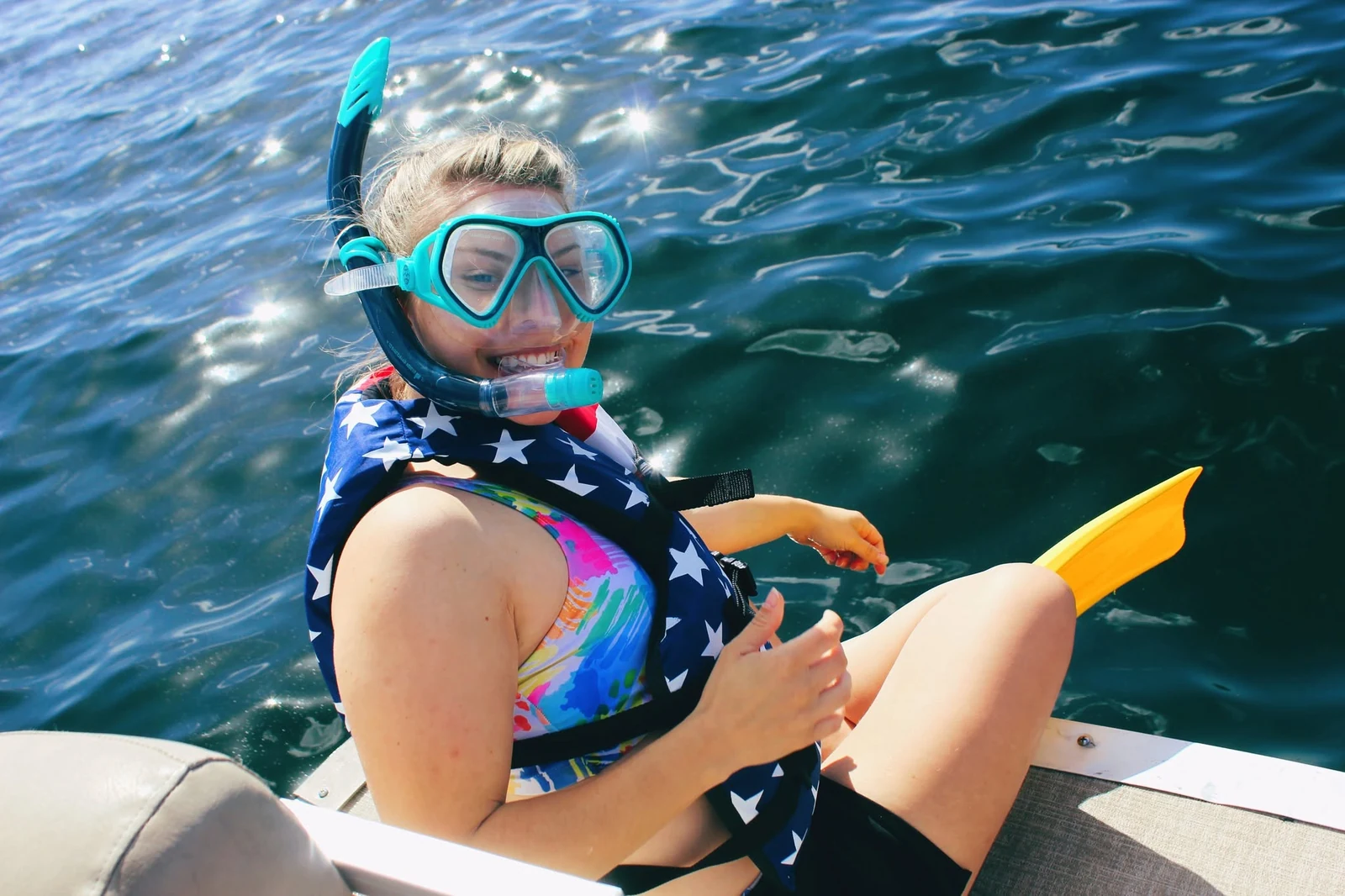
The beauty of the St. Andrews jetties is that they offer something increasingly rare in Florida.
They’re accessible.
Affordable.
Natural.
And genuinely memorable.
While many visitors spend their entire vacation moving between restaurants, hotels, and crowded beaches, those who discover the jetty cove experience a different side of Panama City Beach.
One where fish swim beneath the surface, wildlife thrives among the rocks, and the best attraction of the day doesn’t require a reservation.
FAQ
Can you snorkel at the jetties at St. Andrews State Park?
Yes. The jetties are one of the most popular snorkeling locations within the park and are accessible from shore.
Where is the best free snorkeling in Panama City Beach?
Many locals consider the St. Andrews State Park jetties among the best opportunities for shore-access snorkeling in the area.
Do you need a boat to snorkel near Shell Island?
No. Visitors looking for where to snorkel without a boat in Panama City Beach can access the jetty snorkeling area directly from St. Andrews State Park.
Is there snorkel gear rental at St. Andrews State Park?
Visitors can often find snorkeling gear and beach supplies available within the park’s retail facilities.
What fish can you see while snorkeling at the jetties?
Common sightings include sergeant majors, sheepshead, parrotfish, baitfish, rays, and numerous other Gulf species.
Is St. Andrews State Park good for beginner snorkelers?
Yes. The protected cove formed by the jetties creates calmer conditions that are often ideal for beginners and families.
Plan your snorkeling adventure at standrewsshellisland.com. Park admission includes access to the jetty cove, and the combination of marine life, calm water, and easy shoreline entry makes it one of the most rewarding natural attractions on the Florida Panhandle.